
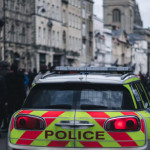
Met Police To Ignore 'Minor' Tag Breaches
The Metropolitan Police will no longer investigate certain minor breaches of electronic tagging conditions, allowing officers to concentrate on the most dangerous offenders.
The force will not investigate breaches of less than an hour unless they involve high-risk offenders or there is evidence that a crime has been committed.
Examples cited by the Met include offenders stepping outside their homes for a cigarette in breach of their curfew for less than an hour, or police being notified 19 hours later that a GPS-tagged offender had returned home 15 minutes late.
As a result, offenders who might previously have faced arrest or court proceedings for such breaches are likely to avoid enforcement action.
The move follows warnings from Met Commissioner Sir Mark Rowley that the early-release scheme is placing further strain on an already overstretched criminal justice system. Around 4,500 prisoners are expected to be released early by next June.
Labour has introduced a presumption that prisoners released from custody should be electronically tagged in the community. The tags allow authorities to enforce curfews, monitor movements and impose exclusion or restriction zones.
A Met spokesman said the force continued to respond to more than 100 tagging breaches every day.
"Where offenders have briefly stepped out for a cigarette, or police are notified 19 hours later that they were 15 minutes late home, tying up several officers for hours is not the best use of resources," the spokesman said.
However, Ministry of Justice sources said police were responsible for decisions on enforcing tagging breaches involving offenders on court bail, rather than those released from prison.
The Johnson Partnership, Derby


Derby Crime Solicitors
You may have been charged with a criminal offence. We can and will help.
From misdemeanors to more serious matters you'll find a voice at the end of the phone (24 hours a day, 7 days a week) who can provide the in depth knowledge you'll need.
Covering Chesterfield, Derby and Derbyshire.
42 Friar Gate,
Derby,
DE1 1DA
01332 370473
19 Burlington St,
Chesterfield,
Derbyshire,
S40 1RX
01246 520930